
Precision Digging Prevents Settlement and Failure
Foundation Excavation in Western Wisconsin for new construction requiring accurate depth and stable load-bearing surfaces
KithTerra Excavating provides foundation excavation services for residential and commercial construction projects across Boyceville and the surrounding area. You rely on proper excavation when you're preparing to pour a basement, slab, or structural footing that must remain stable under the weight of a building for decades. The excavation crew removes soil to the exact depth and grade specified in your building plans, exposing stable soil layers and creating a level base that supports concrete formwork and prevents uneven settling after construction is complete.
Foundation excavation involves more than removing dirt—it requires coordinating with your builder and contractor to match structural specifications, testing soil conditions to confirm load-bearing capacity, and addressing variations in soil composition that affect compaction and drainage. In Boyceville, where soil types can shift from clay to sandy loam within a single lot, the excavation team adjusts depth and backfill methods to accommodate these changes. If the soil proves unstable or too soft, you may need additional compaction or gravel base layers before pouring concrete, and the excavation crew identifies these conditions early so your project stays on schedule.
Reach out to discuss foundation excavation planning for your upcoming build and confirm the site conditions before breaking ground.
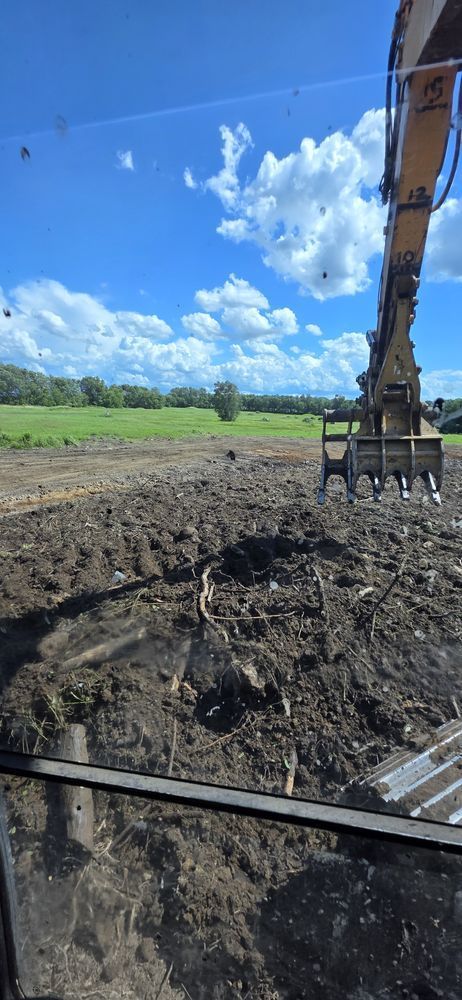
Site Preparation That Supports Structural Integrity
When you schedule foundation excavation, the crew surveys the site, marks utilities, and establishes grade benchmarks using laser levels or GPS-guided equipment to maintain consistent depth across the excavation area. You see the excavator remove topsoil first, then dig down to the specified depth for your foundation type, whether that's eight feet for a full basement or eighteen inches for a frost-protected shallow foundation. The bottom of the excavation is compacted and inspected to ensure it meets the bearing capacity outlined in your engineered plans.
After KithTerra Excavating completes the dig, you notice a clean, level excavation with square corners and vertical walls that match your foundation layout exactly. The soil surrounding the dig remains undisturbed to preserve its natural compaction, and excess material is stockpiled for backfilling or hauled away depending on your site plan. Your concrete contractor can set forms immediately without additional grading or correction work, and the foundation rests on soil that has been tested and confirmed stable.
The excavation process includes coordination with building inspectors and engineers if soil conditions require adjustments, such as deepening the dig to reach firmer strata or adding a gravel drainage layer beneath the slab. KithTerra Excavating does not pour concrete or install formwork—those tasks belong to your foundation contractor—but the excavation team ensures the hole is ready for the next phase without delays or surprises.
Common Questions About Foundation Excavation
Homeowners and builders working in Boyceville often ask about timing, soil challenges, and what to expect during the excavation phase of a construction project.
What happens if the excavation reveals unexpected rock or groundwater?
The crew adjusts the dig plan by removing rock with a hydraulic breaker or rerouting drainage to manage water, and you receive an updated timeline and cost estimate before proceeding with those changes.
How deep does the excavation need to go for a full basement in Boyceville?
Your foundation must extend below the frost line, which in this region typically requires excavation to a depth of at least four feet, though full basements often reach eight feet to provide usable interior height after the floor slab is poured.
When does the excavation crew backfill around the foundation?
Backfilling occurs after the foundation walls are poured, cured, and waterproofed, and the crew compacts soil in controlled lifts to prevent voids or settling against the new concrete.
Why is soil compaction important before pouring a slab foundation?
Compacted soil resists settling and shifting under the weight of the concrete and structure above, preventing cracks and uneven floors that develop when the slab sinks into loose or disturbed earth.
How does KithTerra Excavating coordinate with other contractors on the site?
The excavation schedule aligns with your builder's timeline, and the crew communicates directly with concrete and utility contractors to ensure access, grade accuracy, and readiness for inspections without overlapping work or equipment conflicts.
Contact KithTerra Excavating to review your building plans and schedule excavation that meets the specifications your foundation requires for long-term performance.